
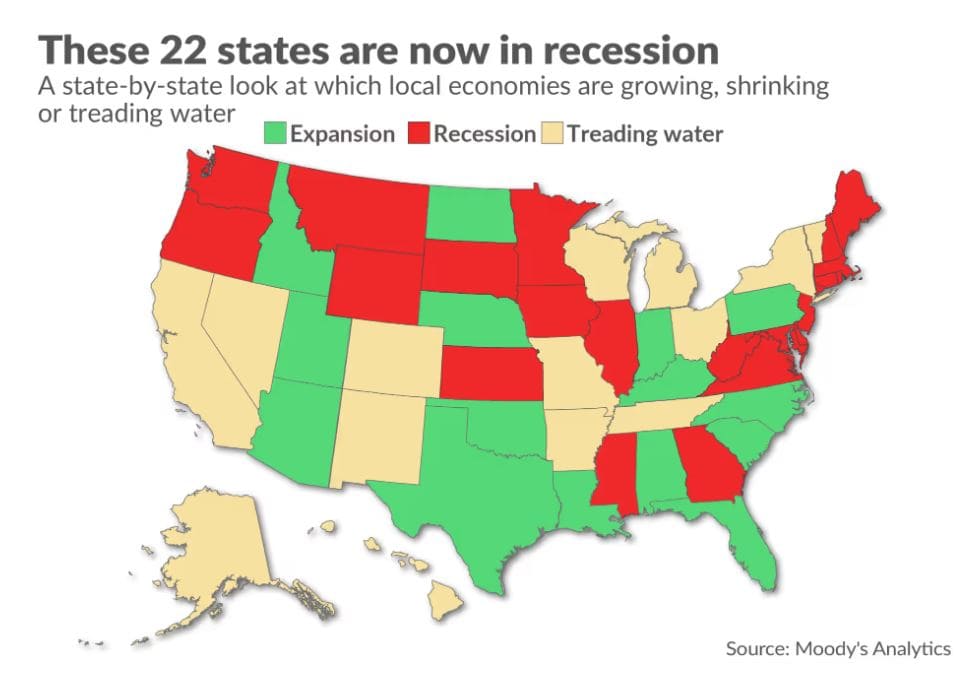
As 2025 comes to a close, roughly 1.6 million Illinois adults are not working, including 392,000 officially unemployed and thousands more who have stopped looking for jobs altogether. For these families, this isn’t just a statistic it’s a daily struggle to survive.
In the heart of Chicago, single mothers like Maria are facing the impossible. After months of applying to jobs with no response, she’s skipping meals so her children can eat. The rent is overdue, and the landlord is threatening eviction. “I just don’t know what we’ll do if we lose the apartment,” she says, her voice trembling. Across the state, in small towns and suburbs, seniors are skipping medications to pay for groceries, young adults are living with parents because they can’t afford rent, and families are sleeping in cars or shelters, hoping tomorrow brings work that never comes.
The human toll is staggering. Each person without a job represents a family struggling to pay the bills, to keep the lights on, to stay warm in winter. Many who want to work have stopped looking entirely, discouraged by repeated rejection or by jobs that pay far less than the rising cost of living. What was once a stable life — a home, a paycheck, a future — is slipping away.
In neighborhoods across Illinois, the signs of hardship are everywhere: boarded-up storefronts, empty playgrounds, people standing in food pantry lines. The economic numbers 392,000 unemployed, 1.6 million adults not working don’t capture the full picture. Behind each number is a person, a family, a story of fear, perseverance, and hope for a better tomorrow.
Experts warn that the crisis could worsen if jobs continue to disappear and wages remain stagnant. The pandemic’s aftershocks, rising inflation, and limited opportunities have left families teetering on the edge. Community organizations are overwhelmed, shelters are full, and social safety nets are stretched to the breaking point.
This is more than an economic issue. It’s a human crisis, unfolding in homes, streets, and shelters across Illinois. The end of 2025 is not just a calendar date for millions of adults, it’s a race against poverty, hunger, and homelessness.
As the year closes, the question is clear: How can Illinois rebuild opportunity and hope for the 1.6 million people struggling just to survive? Until that happens, the human cost will continue to rise, one family, one household, one life at a time.






Vintage Items






Funko Pop!
