
As global crises multiply, his return to power could remove the guardrails keeping the world from catastrophe.
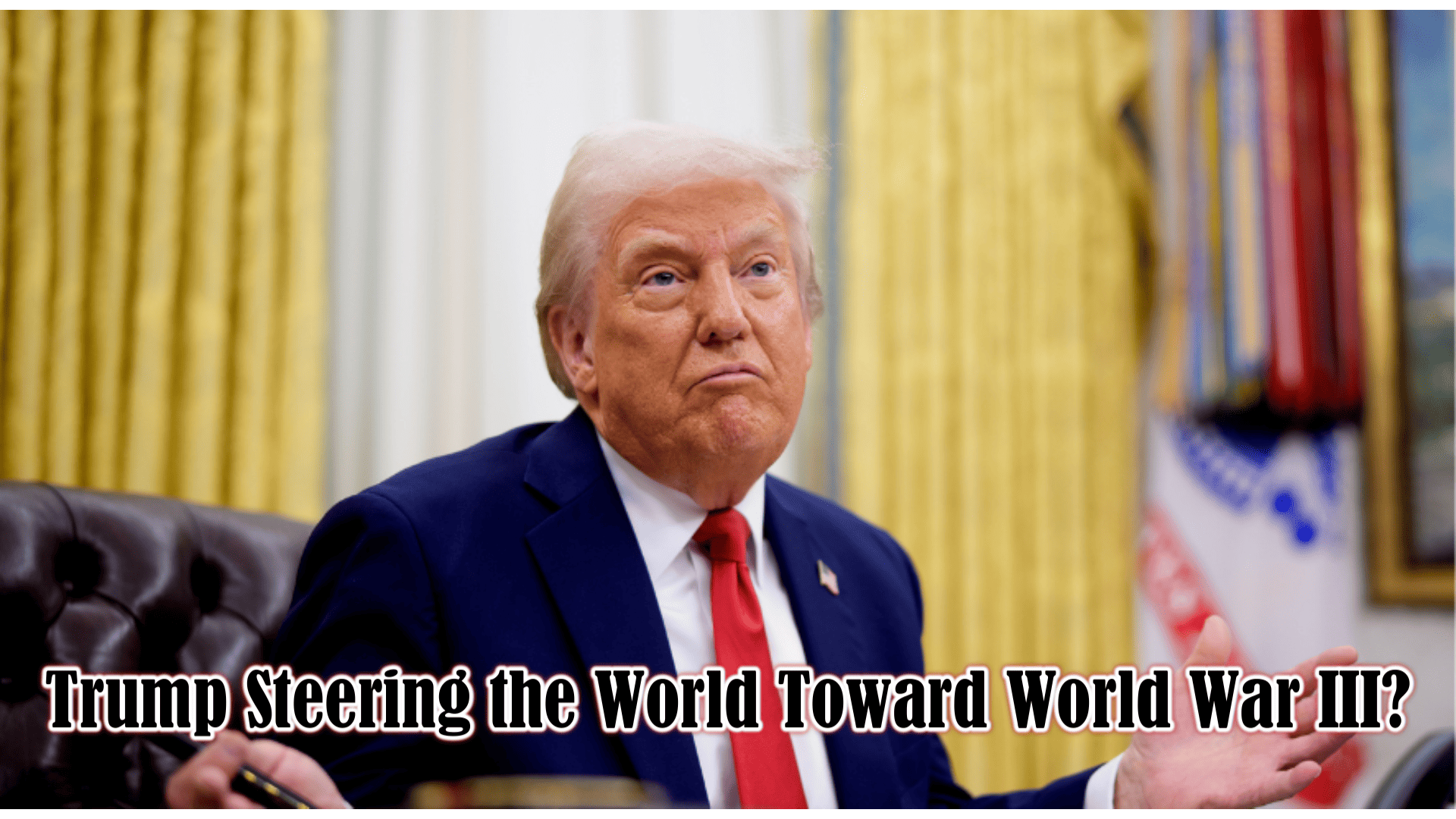
Donald Trump may no longer be the new face of the White House he is a familiar one. His first term from 2016 to 2020 already left deep marks on U.S. foreign policy: an “America First” doctrine that challenged long-standing alliances, reshaped trade relations, and relied on unpredictability. Now, in his second presidency, those patterns are returning but the world is far more volatile. The risks that once seemed distant are now immediate, and some experts warn that missteps could escalate into global conflict.
“In many ways, history is repeating itself,” said Dr. Laura Mitchell, a former State Department strategist. “Trump’s first term showed how unpredictability can unsettle allies and embolden adversaries. With him back, the risks are magnified especially because multiple flashpoints could collide.”
Across Eastern Europe, Russia’s war in Ukraine has stalled but not ended. Vladimir Putin has dug in, testing weaknesses in Western resolve. Trump had frequently cast doubt on NATO’s burden-sharing, insisting many allies do not “pay their share.” That rhetoric, once political theater, is now a message Moscow remembers. A single miscalculation a missile landing in Poland or Lithuania could force NATO to respond. “We’re walking a tightrope,” said General Thomas Arledge, retired, formerly commanding NATO rapid response forces. “One error in the Baltics, and NATO is forced to act. Will the U.S. back the alliance fully? With Trump, hesitation is possible, and that’s dangerous.”








Farther east, Taiwan faces increasing pressure. China views the island as a renegade province to be reclaimed by force if necessary. In recent years, Beijing has stepped up military incursions and naval posturing. “China calculates not just power, but political will,” said Professor Li Wei, an international security expert. “Trump’s unpredictability may push them to act sooner than they otherwise would.” If China attempts a blockade or invasion, Washington faces a brutal choice: intervene militarily and risk war with China, or retreat and damage U.S. credibility in Asia. Either path carries serious risk of escalation.
The Middle East remains a tinderbox. Trump’s first term saw the exit from the Iran nuclear deal and the assassination of General Qasem Soleimani, actions that nearly triggered broader conflict. In his second term, renewed “maximum pressure” on Tehran raises the stakes. “Any strike on Iran’s nuclear facilities risks a chain reaction,” said Ambassador Rachel Donovan, former U.S. envoy to the Gulf. “It could trigger missiles, drone attacks, and proxy escalations that draw other powers in. The world would feel it economically and politically.”
Modern warfare also plays out online. Cyberattacks on infrastructure, financial systems, and communications can escalate crises rapidly. With Trump’s aggressive posture, adversaries may test U.S. digital defenses, and a single cyber incident could spiral into a kinetic military response.
Now imagine these pressures converging: Russia advancing in Ukraine, China moving on Taiwan, Iran retaliating in the Gulf all at once. The United States could be stretched across three fronts simultaneously. That is how local conflicts become global wars.
Trump’s supporters argue unpredictability keeps rivals guessing. Critics warn it may instead remove the safeguards that prevent escalation. “In crises, predictability is often the only thing keeping escalation in check,” Dr. Mitchell said. “When a leader’s actions are inconsistent, small sparks can ignite catastrophes.”
He is not a new president, but his return brings renewed risks. The combination of past patterns, current global tensions, and his leadership style could put the world closer to war than many realize. Under President Donald Trump, missteps or miscalculations could transform regional conflicts into a global conflagration and in that sense, the United States may be closer to the brink of World War III than at any time in decades.

This article highlights how current global tensions and leadership decisions can increase the risk of conflict. It’s a reminder that unpredictable policies, combined with existing crises, could have serious consequences for international stability.