
Pentagon Report Raises Questions About Government Power
The Hegseth Nvidia wartime law controversy is raising questions about how far the federal government could go in using national security powers to influence private companies. According to a report by The Washington Post, Defense Secretary Pete Hegseth and other Pentagon officials discussed using a Cold War-era law to pressure Nvidia’s board into reinstating CEO Jensen Huang.
The reported discussions involved the Defense Production Act of 1950, a law that gives the federal government significant authority over certain aspects of domestic production during national defense emergencies.
However, the Pentagon has denied that the reported proposal was ever discussed by senior department leaders.
Did Pete Hegseth Discuss Using Wartime Powers Against Nvidia?
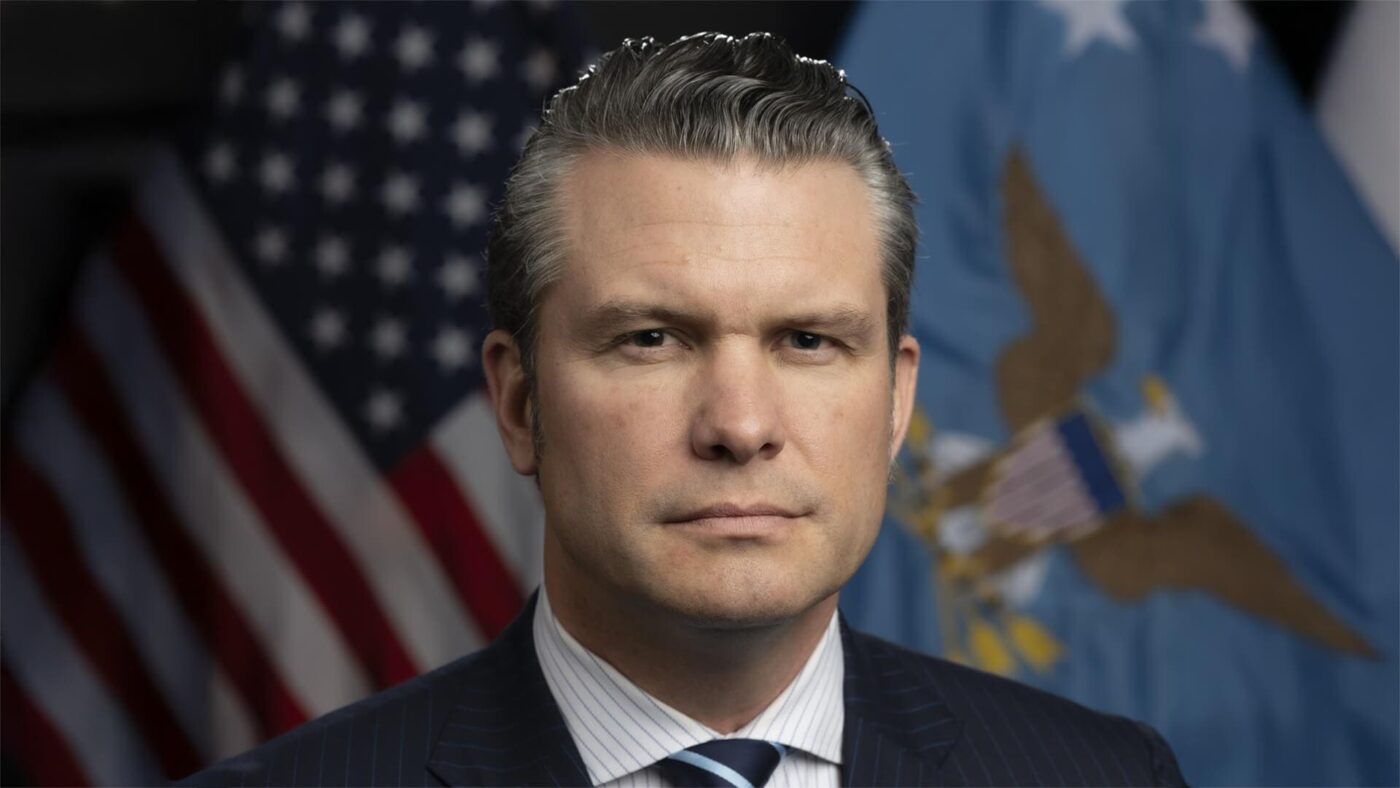
According to sources cited by The Washington Post, Hegseth and Deputy Defense Secretary Steve Feinberg reportedly discussed whether the Defense Production Act could be used as leverage against Nvidia’s board.
The reported idea involved using the government’s authority over military production requirements to pressure the company into bringing Jensen Huang back as CEO.
The reasoning reportedly centered on Nvidia’s importance to America’s artificial intelligence industry and national security.
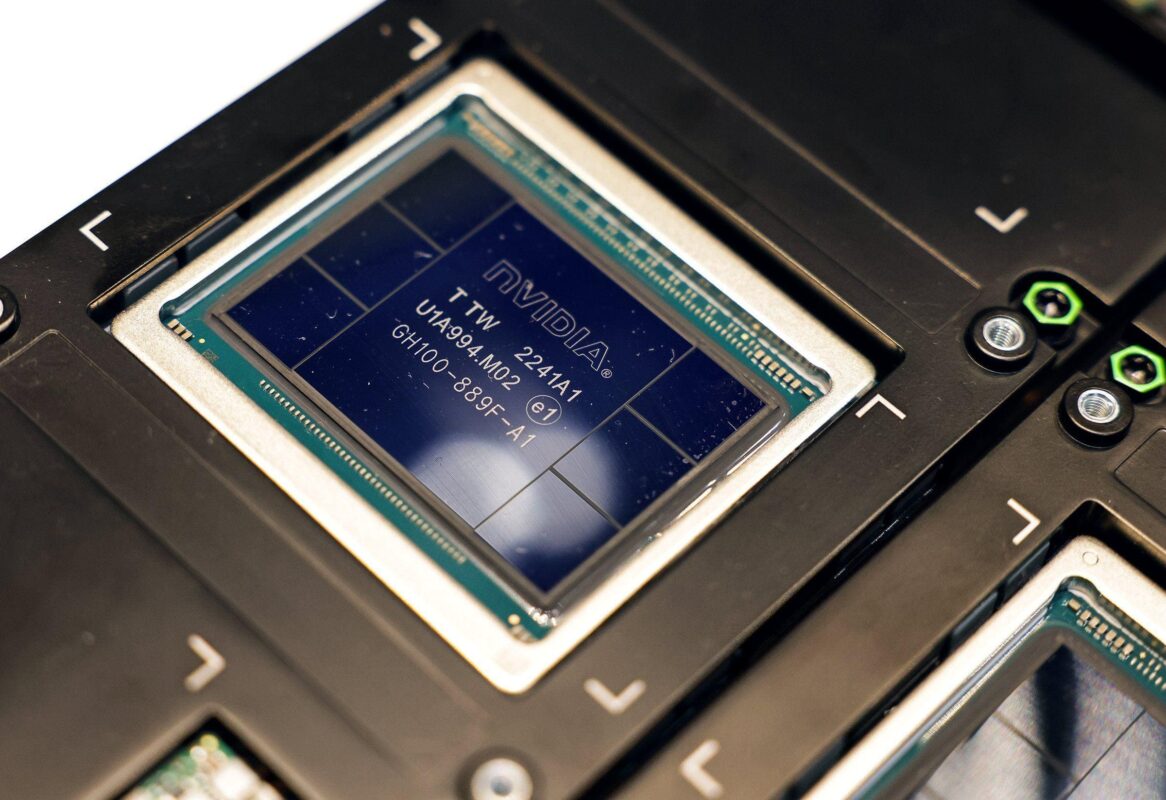
Nvidia manufactures advanced computer chips that are essential to artificial intelligence development, data centers, and increasingly sophisticated military technology.
But there is an important distinction: discussing the possible use of a law does not mean the government actually invoked it.
A Pentagon official denied that the conversations described in the report ever happened and said no such proposal was made by Hegseth, Feinberg, or other senior department officials.
What Is the Defense Production Act of 1950?
The Defense Production Act was originally enacted in 1950 during the Korean War.
The law gives the president certain powers to help ensure that American industries can meet national defense requirements.
Among other things, it allows the government to prioritize certain contracts and allocate resources to support national defense production.
The law has also been used in more recent emergencies, including during the COVID-19 pandemic.
However, using the Defense Production Act to influence who runs a private company would raise significant legal questions.
The law is designed to address national defense production needs. It does not provide an obvious legal mechanism for the federal government to simply appoint or reinstate a company’s chief executive.
Jensen Huang Returns as Nvidia CEO
The controversy comes after Nvidia’s board reinstated Jensen Huang as president and CEO on November 23, 2026.
The board announced that its decision followed discussions with Huang and input from senior levels of the U.S. government.
The company said its board was satisfied with Huang’s candor and ability to lead Nvidia and believed his reinstatement posed no national security risk.
His return followed an intense period of scrutiny involving national security concerns and allegations surrounding his relationships and possible connections to individuals suspected of ties to Chinese intelligence.
Nvidia’s independent investigation is continuing.

Why This Story Matters Beyond Nvidia
This situation raises broader questions about the relationship between Washington and America’s largest technology companies.
Artificial intelligence has become a major national security priority. Advanced computer chips are increasingly important to military systems, intelligence operations, economic competitiveness, and technological development.
That creates a difficult question for policymakers:
How much influence should the federal government have over private companies when their technology is considered essential to national security?
If the reported discussions are accurate, the idea of using wartime production authority as leverage in a corporate leadership decision deserves serious public scrutiny.
At the same time, the Pentagon’s denial is an important part of the story, and the reported discussions should not be presented as an established government action.
What Happens Next?
The controversy could lead to additional questions from lawmakers about the administration’s involvement in Nvidia’s leadership decision.
It also puts a spotlight on the limits of the Defense Production Act and how national security concerns may affect private American businesses.
For now, one thing is clear: Jensen Huang has returned as Nvidia’s CEO, but questions surrounding the government’s role in that decision remain.
We’ll continue watching this story as more information comes out.





Vintage Items






Funko Pop!
